
August 24, 2026
SURE 2026 Brings Science to Life in the Lab and Beyond
This summer, The Scintillon Research Institute welcomed 12 talented students for the 2026 SURE Program, bringing another energetic group of young scientists into our laboratories for an immersive introduction to biomedical research.
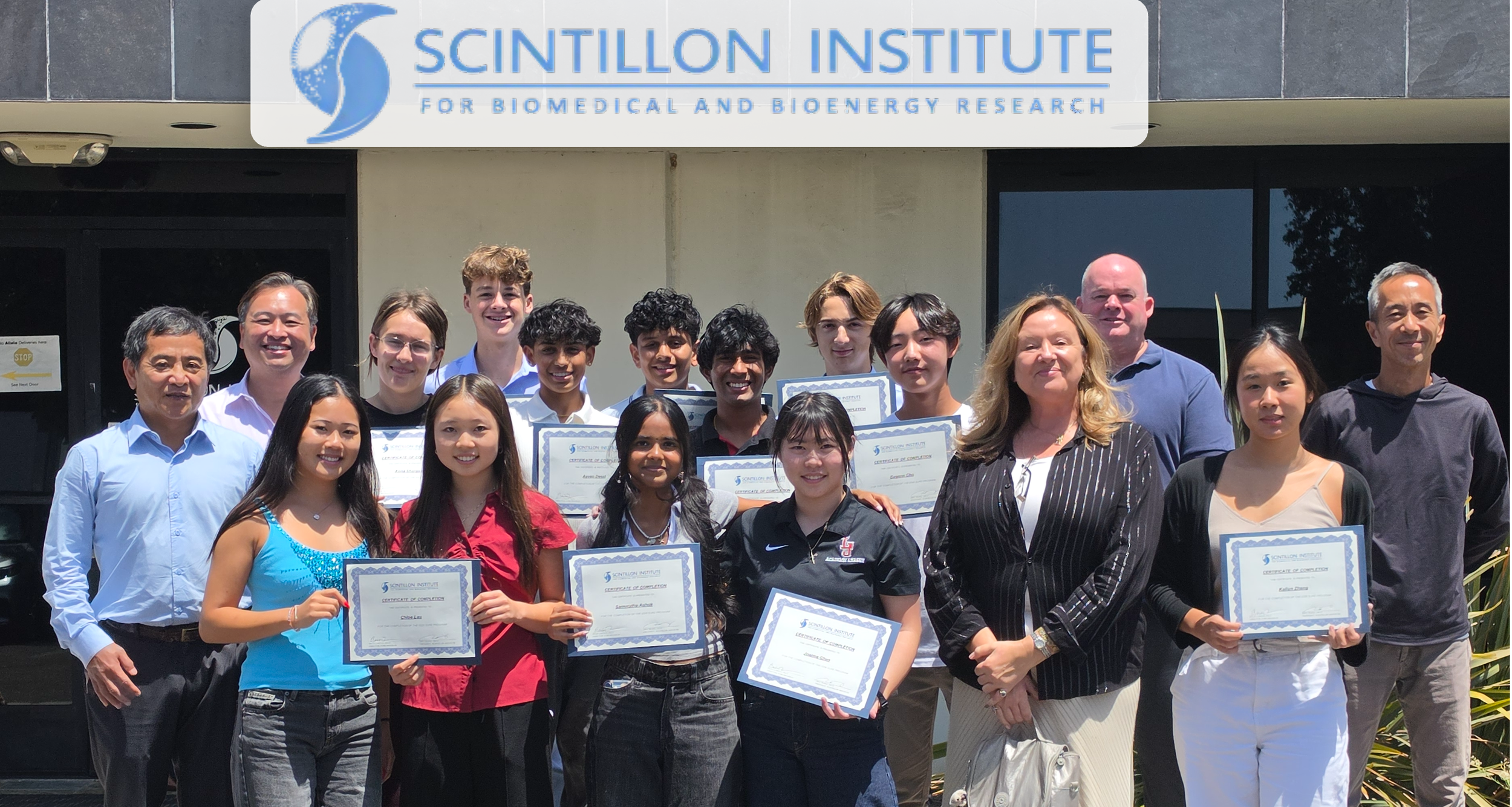
SURE, short for SUmmer REsearch, was created in 2018 to give highly motivated high school students an opportunity that is difficult to find in a traditional classroom. Students do not simply learn about science. They spend their summer surrounded by working scientists, participate in real laboratory research, ask lots of questions, learn new techniques, make a few mistakes, troubleshoot experiments, and begin to see what science actually looks like.
And yes, there is a lot of pipetting.
Learning From Scientists and Learning to Think Like Scientists
As in previous years, mornings introduced students to a broad range of biomedical research through discussions led by Scintillon faculty. Topics spanned many areas of modern biology and medicine, giving students a chance to learn directly from investigators actively working on important scientific and medical problems.
The goal is not to turn students into experts in a few weeks. It is to expose them to ideas they may never encounter in high school and to encourage them to ask bigger questions. Why does a disease develop? How do we know whether a proposed explanation is correct? What experiment would distinguish between two possibilities? What makes evidence convincing? What is a good university major for my interests?
Afternoons moved from discussion to practice as students joined their mentors in the laboratory and participated in ongoing research. Working alongside scientists gave students experience with the patience, precision, problem-solving, and occasional unpredictability that come with experimental research.
For many students, this remains one of the most memorable parts of SURE. Science looks very different when you are generating the data yourself.
Taking Science Beyond the Laboratory
This year, we added another dimension to the daily SURE experience.
Students and faculty spent time each day discussing the role of science and scientists in society. Conversations explored how scientific evidence influences public policy, how research findings move from laboratories into the broader community, how scientists communicate uncertainty, and what responsibilities scientists have when their work intersects with decisions that affect millions of people.
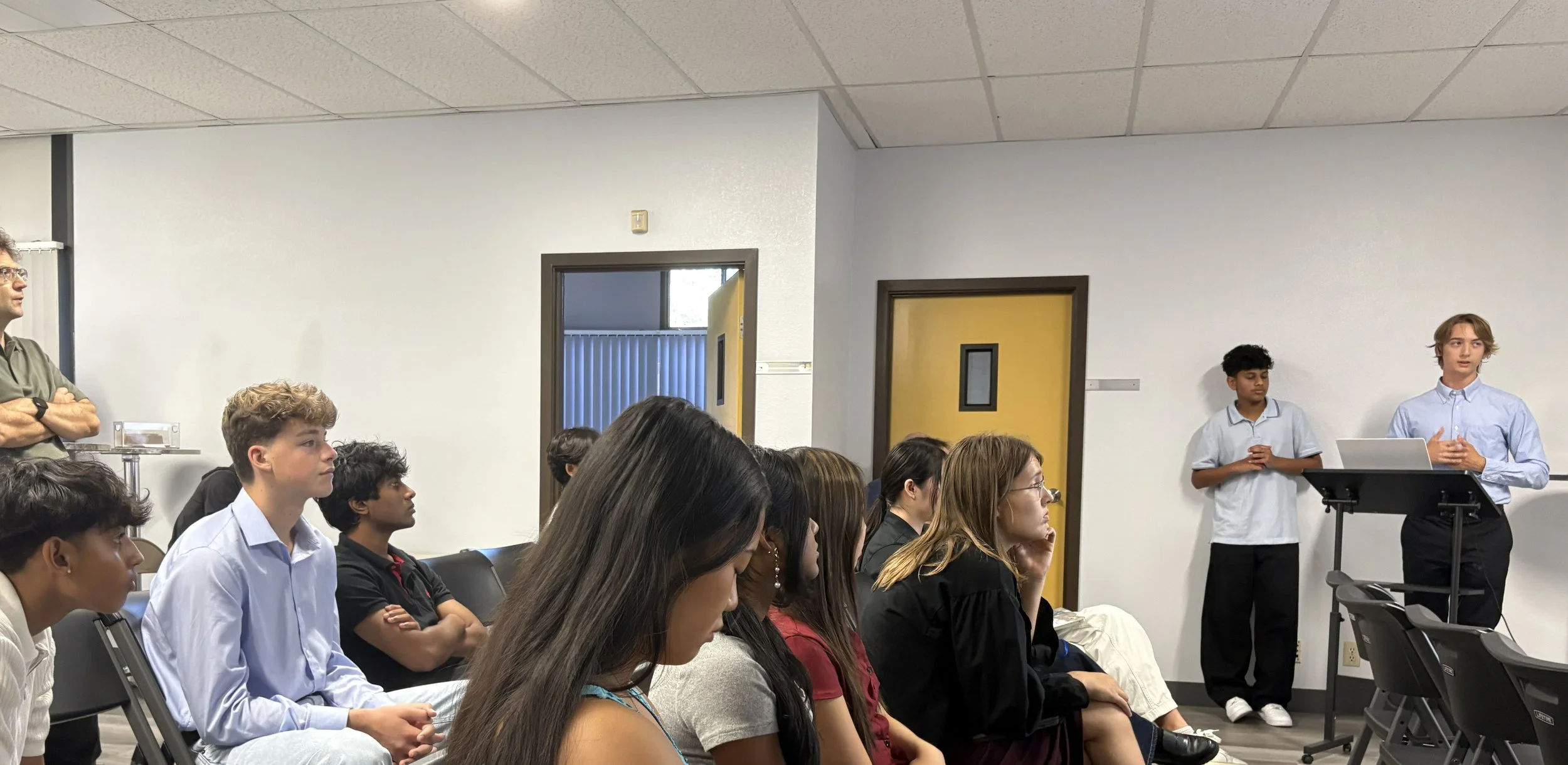
These discussions became an unexpected highlight of the summer.
Several students specifically noted how interesting and informative they found these conversations because they had rarely been asked to think about science in this way. Students are understandably taught scientific facts and methods in school. They are less often asked to consider what happens after those discoveries leave the laboratory.
That distinction matters.
Scientific discoveries do not exist in isolation. They influence medicine, public health, technology, the environment, economics, and public policy. At the same time, scientific evidence is rarely the only factor involved in societal decisions. Learning to distinguish scientific evidence from opinion, evaluate its strength, and communicate what science can and cannot tell us is an increasingly important skill for scientists and nonscientists alike.
We want SURE students to leave Scintillon knowing more biology. We also want them to leave thinking more critically about what it means to be a scientist.
Four Weeks Can Make a Difference
One of the most rewarding parts of the SURE Program is watching students change over the summer.
Questions become more sophisticated. Laboratory techniques that initially seem intimidating become routine. Scientific papers begin to make more sense. Students become increasingly comfortable discussing experiments with their mentors and explaining their work to others.
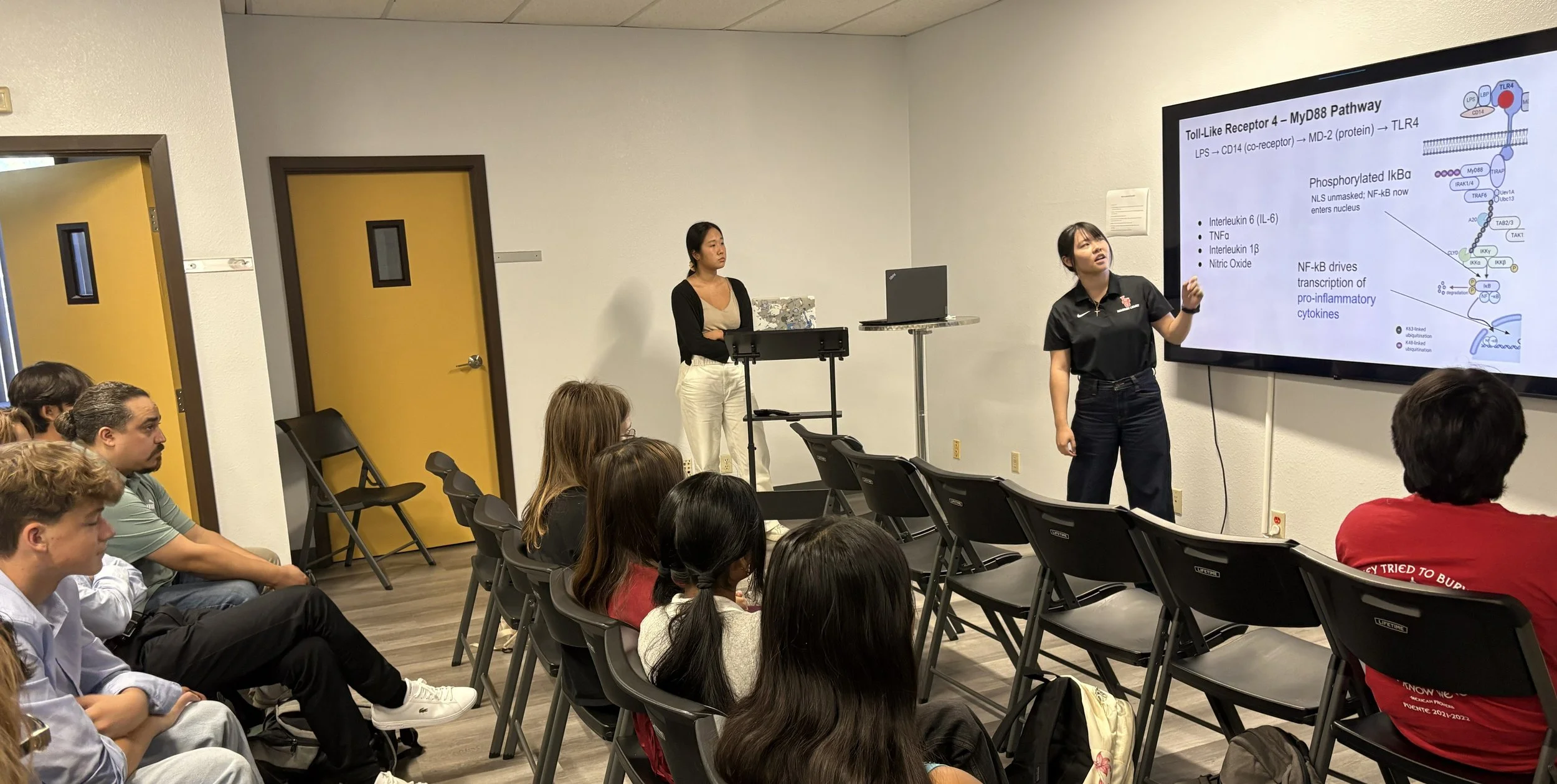
By the end of the program, students present what they have learned and accomplished, giving them the opportunity to organize their ideas, explain their research, and experience another essential part of science, communicating it clearly.
Just as importantly, students spend the summer getting to know researchers and other students who share their curiosity. For a young person considering a future in science or medicine, discovering a community of people who get excited about the same questions can be powerful.
Building the Next Generation of Scientists
The SURE Program continues because Scintillon faculty believe strongly that training scientists should begin long before graduate school.
Our faculty and research staff volunteer their time, expertise, laboratory space, and resources because someone once gave each of us an opportunity to discover science for ourselves. SURE is one way we can pass that opportunity forward.
To our 2026 students, congratulations on completing the program. We hope you continue asking difficult questions, challenging assumptions, following the evidence, and staying curious about the world around you.
And to students thinking about applying to SURE in the future, if spending your summer doing real experiments, talking with scientists, exploring new areas of biology, and debating some surprisingly big questions sounds more interesting than sleeping until noon, we would love to hear from you.
Science needs the next generation of curious minds.
Maybe yours is one of them.
Supporting Future SURE Students
The SURE Program is made possible by the commitment of Scintillon faculty, staff, families, and supporters, including Allele Biotechnology and Defined Bioscience, who believe in providing young people with meaningful exposure to scientific research.
Support for The Scintillon Research Institute helps us continue providing laboratory experiences, mentorship, scientific education, and opportunities for future students to discover where their curiosity might take them.
We look forward to welcoming the next group of young scientists to SURE.