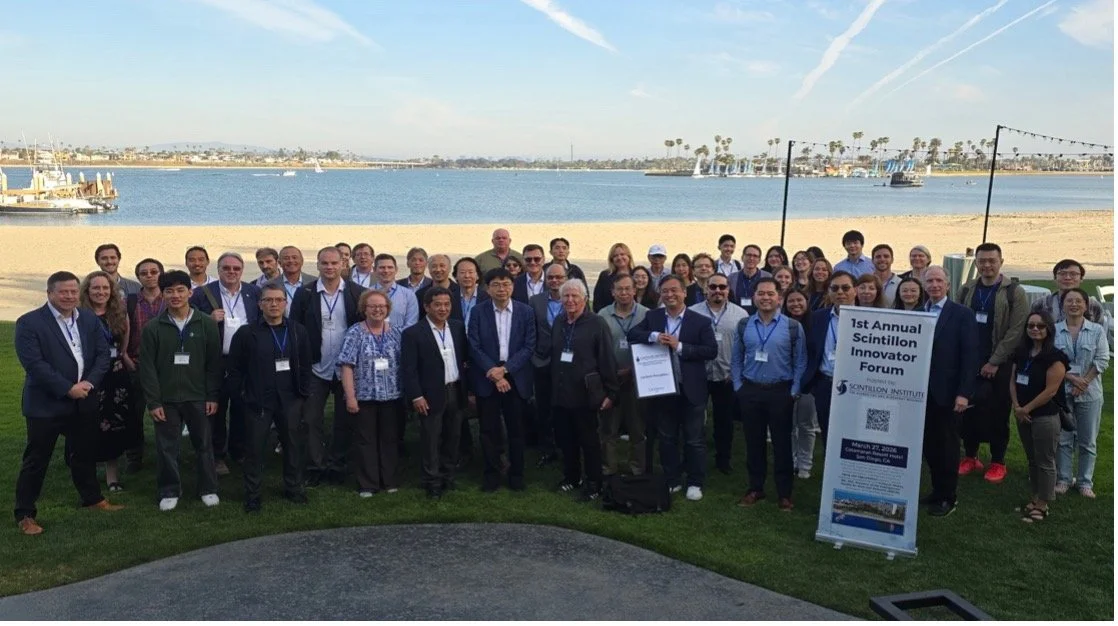
Scintillon Institute Debuts Innovators Forum, Exceeding Expectations at Inaugural Gathering
San Diego, CA — Against the backdrop of the Pacific Ocean, the Scintillon Institute successfully launched its very first Innovators Forum, a one‑day symposium on aging research that drew together scientists, entrepreneurs, investors, and industry leaders. Held recently at the beach‑front Catamaran Resort in Pacific Beach, the event was widely regarded by attendees as a resounding success—achieving, and in many respects surpassing, all of its stated goals.
As its title promised, the Innovators Forum struck a deliberate balance between fundamental biological research and real‑world translation, highlighting how discoveries in the laboratory can evolve into therapeutic strategies and market‑ready technologies. The unique format distinguished the meeting from traditional academic conferences and quickly set a collaborative, forward‑looking tone.
The forum opened with welcoming remarks from Dr. Jiwu Wang, founder and president of the Scintillon Institute, alongside Dr. Tal Teitz, associate professor and chairperson of the Forum. Together, they greeted a diverse audience representing local research institutions, biotechnology startups, venture capital firms, consulting organizations, and senior industry executives—many of whom remarked on the rare opportunity to engage across disciplines in such an open and informal coastal setting.
The forum opened with welcoming remarks from Dr. Jiwu Wang, founder and president of the Scintillon Institute, alongside Dr. Tal Teitz, associate professor and chairperson of the Forum. Together, they greeted a diverse audience representing local research institutions, biotechnology startups, venture capital firms, consulting organizations, and senior industry executives—many of whom remarked on the rare opportunity to engage across disciplines in such an open and informal coastal setting.
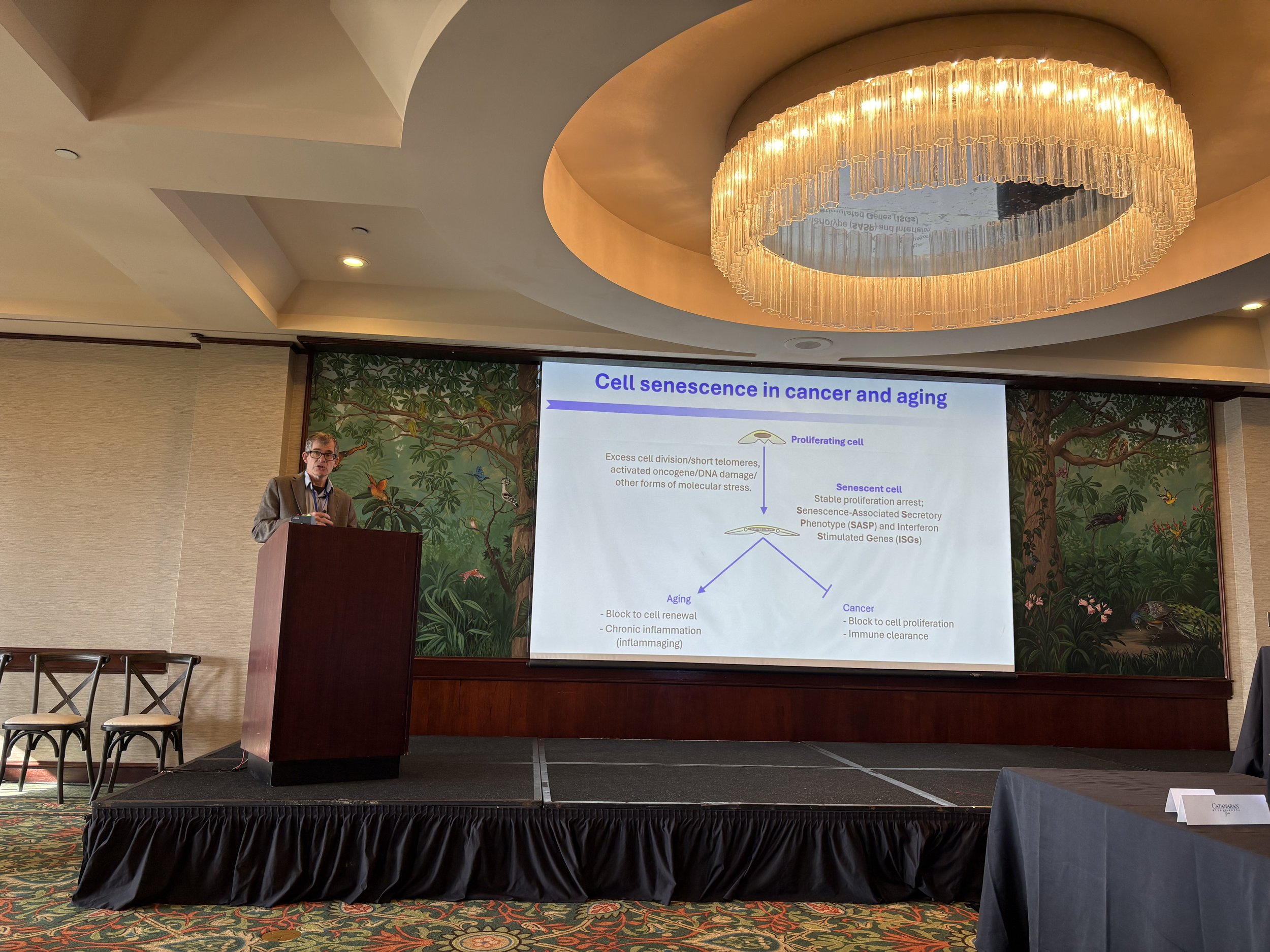
The scientific program began with a keynote address by Dr. Peter Adams, who delivered a compelling overview of the biology of cell senescence at the intersection of aging and cancer. Dr. Adams focused on emerging insights into how aging cells expel chromatin fragments into the cytoplasm, a process increasingly recognized as a driver of cellular dysfunction. Importantly, he also outlined potential intervention strategies, including small‑molecule drug candidates designed to activate p53 and enhance genome integrity—approaches that may help prevent or even reverse age‑related cellular decline. His talk set up a high scientific bar and sparked energetic discussion throughout the day.
Following the keynote, Scintillon Institute faculty members presented a series of cutting‑edge research talks that highlighted the depth and diversity of the Institute’s aging and rejuvenation program. Presentations spanned topics from nanoscale intercellular communication and global chromatin architecture as a predictor of cellular function and aging, to the development of advanced 3D blood–brain barrier and brain‑interface platforms for central nervous system disease modeling and drug screening.
Other faculty showcased innovative strategies to delay aging‑associated metabolic decline, mitigate cisplatin and noise-induced hearing loss, unlock regenerative potential in aging muscle using small‑molecule therapies, and advance mRNA‑directed iPSC differentiation and cellular rejuvenation. Even for colleagues closely familiar with Scintillon’s work, the talks proved eye‑opening. Attendees praised the presentations for their clarity, depth, and ambition, underscoring Scintillon’s growing role as a hub for innovative, translational aging research.
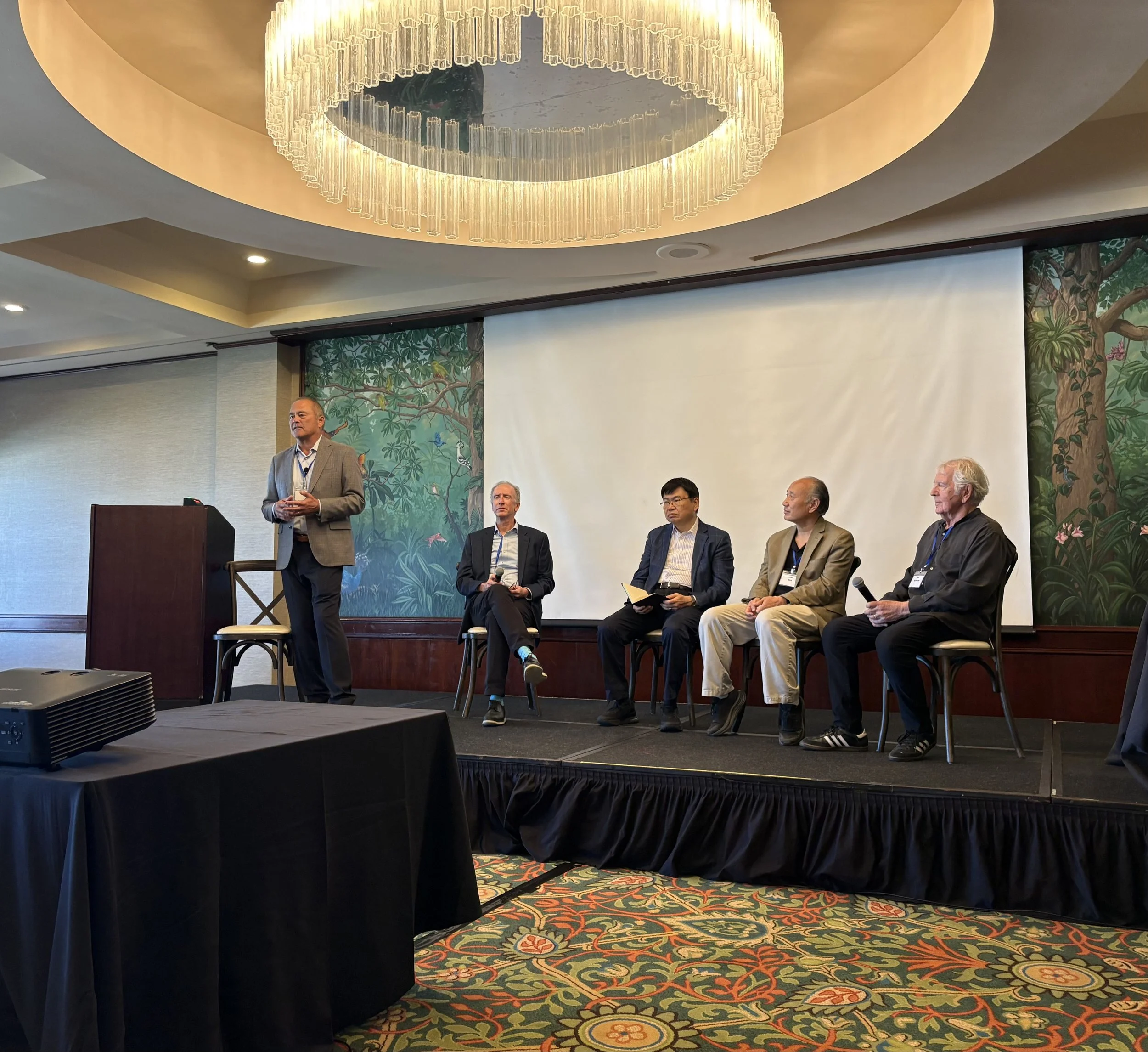
Panel Discussion
One of the defining features of the forum was its strong emphasis on industry perspectives. Panel discussions led by seasoned veterans proved to be among the day’s highlights. In particular, sessions moderated by Michael Yang stood out for their candid examination of real‑world successes and failures. Rather than offering polished success stories alone, panelists openly discussed missteps, hard‑won lessons, and the practical realities of translating science into viable products—an honesty that many attendees said is too often missing from scientific meetings.
Adding an international dimension to the program, Dr. Okano from Japan, the current president of the International Society of Stem Cell Research (ISSCR), delivered a widely praised presentation on induced pluripotent stem cell (iPSC) research as the closing Keynote speech. He explored iPSCs both as an advanced modality for cell therapy with clinical data and as powerful platforms for drug screening with resulting drug candidates. His talk significantly elevated the level of excitement in the room, offering a glimpse into how regenerative medicine and aging research may converge in the near future.
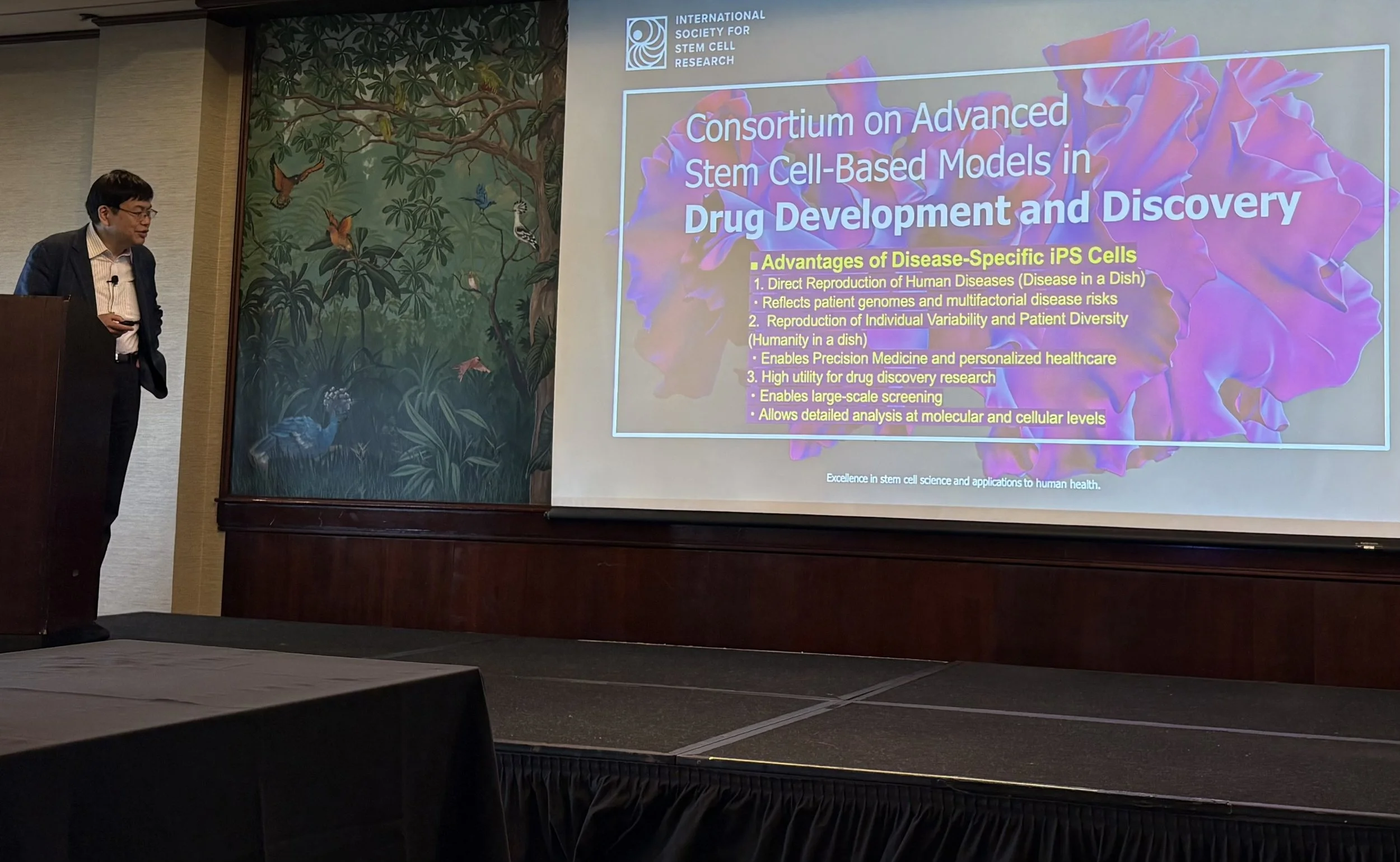
Keynote by Dr. Okano
Dr. Okano from Japan, the current president of the International Society of Stem Cell Research (ISSCR), delivered a widely praised presentation on induced pluripotent stem cell (iPSC) research as the closing Keynote speech. He explored iPSCs both as an advanced modality for cell therapy with clinical data and as powerful platforms for drug screening with resulting drug candidates. His talk significantly elevated the level of excitement in the room, offering a glimpse into how regenerative medicine and aging research may converge in the near future.
By day’s end, the success of the inaugural Innovators Forum was evident not only in the enthusiastic feedback but also in the tangible outcomes. Several discussions were already underway regarding future collaborations, bringing together participants from academia, industry, and investment communities who might not otherwise have crossed paths.
In its first outing, the Scintillon Innovators Forum distinguished itself through intellectual rigor, practical insight, and a spirit of openness. Set against the serene backdrop of the San Diego coastline, the event demonstrated that meaningful scientific exchange—and productive innovation—can flourish when disciplines, sectors, and perspectives come together. For many in attendance, it was clear: this inaugural forum has set a high standard for meetings to come, and its impact is likely to extend well beyond a single day by the sea.