
Dong Lab
Principal Investigator: Duc Dong
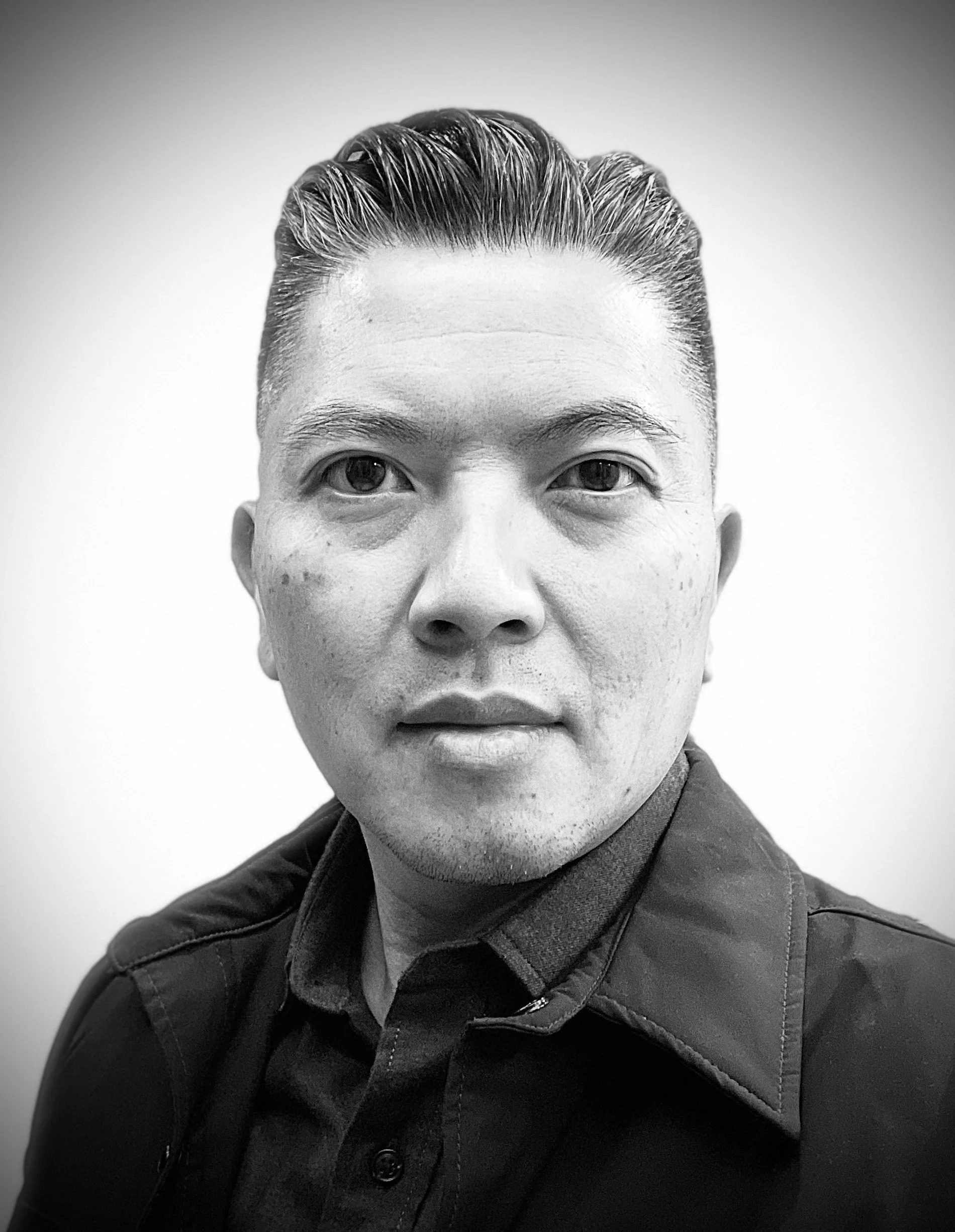
P. Duc Si Dong, Ph.D.
Associate Professor
Assistant Professor, Associate Professor, Associate Dean of Admissions | Sanford Burnham Prebys Medical Discovery Institute | 2008 - 2025
JDRF Postdoctoral Fellow, LLHF Postdoctoral Fellow | University of California, San Francisco | 2002 - 2008
Graduate Research Doctoral Student | University of Wisconsin, Madison | 1996 - 2002
Undergraduate Student | University of California, Irvine | 1992 - 1996
My research combines genetics and chemical biology with cell, organoid, and animal models to investigate developmental disorders, organogenesis, and regeneration, with the goal of making fundamental discoveries and developing technologies that we can leverage to augment human health. Our recent discoveries have yielded insight into how Notch signaling, autophagy, and cellular plasticity can be modulated as approaches to enhance mitochondrial function, regeneration, and health span. My data driven approach aims to find answers to basic questions that people did not think to ask and to push biology in directions evolution could not. I am determined to advance our proof-of-concept discoveries into practical applications to treat health problems, as well as to enhance human robustness, performance, and sustainability.
We have identified the first small molecule that can directly increase Notch signaling and rescue animal models of the rare disorders, Alagille Syndrome and Muscular Dystrophy. Our immediate strategy is to advance our patented Notch agonist drug into clinical trials for these lethal genetic disorders, for a rapid therapeutic approval through the FDA’s Fast Track and Orphan Drug mechanisms. This strategy would then facilitate further development of this first-in-class drug, leveraging its Notch enhancing and regenerative properties for ageing diseases such as sarcopenia, cancer, diabetes, and neural degeneration. Additional applications for the generation and enhancement of biomedically relevant cells and tissues using our drug, including T cells for immunotherapies, are also under development.
We have discovered the elusive liver stem cell which will potentially inform new strategies for targeting these cells for transplantation or gene therapies. Our continuing studies of these liver stem cells is yielding insight into etiology and treatment of hepatic diseases including cholangiocarcinoma and Biliary Atresia, the leading indication for pediatric liver transplants. Moreover, I plan to apply our insights and technologies derived from our in vivo cellular reprogramming discoveries to promote cellular renewal for the reversal of ageing and to drive cell identity conversion directly in the body to generate of replacement cells and tissues (synthetic organogenesis), including the insulin secreting beta cells to treat diabetes and the T-cell maturing thymus to resolve age-related immunity decline. Our unique in vivo cell reprogramming and rejuvenation strategies are advantageous as they bypass inherent safety risks associated with using standard stem cell inducing techniques.